Industry News | Global Beverage & Specialty Tea Report
As premium healthy beverage trends continue to dominate global consumer markets, matcha has solidified its position as a top-tier specialty tea ingredient. Unlike ordinary green tea powder, authentic matcha boasts unique color, rich umami flavor, and high nutritional value, all stemming from a rigorous, multi-step production process combining traditional craftsmanship and modern technology. Every gram of high-quality matcha undergoes precise planting management, meticulous leaf processing, and ultra-fine grinding, which sets it apart from generic green tea powder.
Step 1: Shade Cultivation — The Foundation of Distinctive Matcha Flavor
The entire matcha production chain starts with specialized tea plantation management, the root cause of matcha’s unique taste and vivid emerald green color.
About 20–30 days before spring tea picking, professional matcha tea gardens carry out dense shading treatment: breathable shade nets are laid over tea bushes to block 85%–95% of natural sunlight. This shading method fundamentally alters the metabolic system of tea leaves. Limited sunlight suppresses the formation of bitter tannins and catechins, while triggering massive accumulation of amino acids and chlorophyll inside leaves. The outcome is soft, bright green tea shoots with mellow, sweet umami and zero harsh bitterness — the exclusive raw material advantage of premium matcha. Only shade-grown tea leaves can be processed into qualified tencha, the base raw material for genuine matcha.
Step 2: Precision Steam Fixation — Lock in Freshness and Green Color
After tender tea buds are hand-picked, they are transported to processing factories within several hours for the first core procedure: steam fixation.
Different from pan-fired green tea techniques, matcha adopts short-time high-temperature steam fixation with strictly controlled temperature and duration in industrial production. Tea leaves are treated with 126℃ high-temperature steam for 15–20 seconds, instantly deactivating oxidase inside the foliage. This step stops chlorophyll and nutrient oxidation completely, fully preserving the bright emerald tone, fresh grassy aroma and abundant nutritional substances of tea leaves, and prevents dull color and heavy bitterness caused by over-oxidation. Accurate steam fixation is the key to matcha’s iconic “three-green” trait: green leaves, green brew, green powder.
Step 3: Drying and Refining — Purify High-Purity Tencha
Right after steam fixation, tea leaves are rapidly air-cooled to remove surface moisture, then sent into low-temperature drying. The industry standard requires the moisture content of dried tea to stay below 6%, to keep leaves crisp, avoid mildew and deterioration, and lay the groundwork for subsequent fine processing.Unlike regular green tea that requires rolling, tencha (matcha base) skips rolling entirely. Flat dried tea leaves go through thorough refining: manual workers and automatic sorting equipment strip away all tough stalks and leaf veins, retaining only soft leaf flesh. This purification removes coarse fibers and miscellaneous off-notes, ensuring the final matcha powder features silky fine texture and pure, balanced flavor.
Step 4: Low-Temperature Stone Grinding — Core of Ultra-Fine Matcha Powder
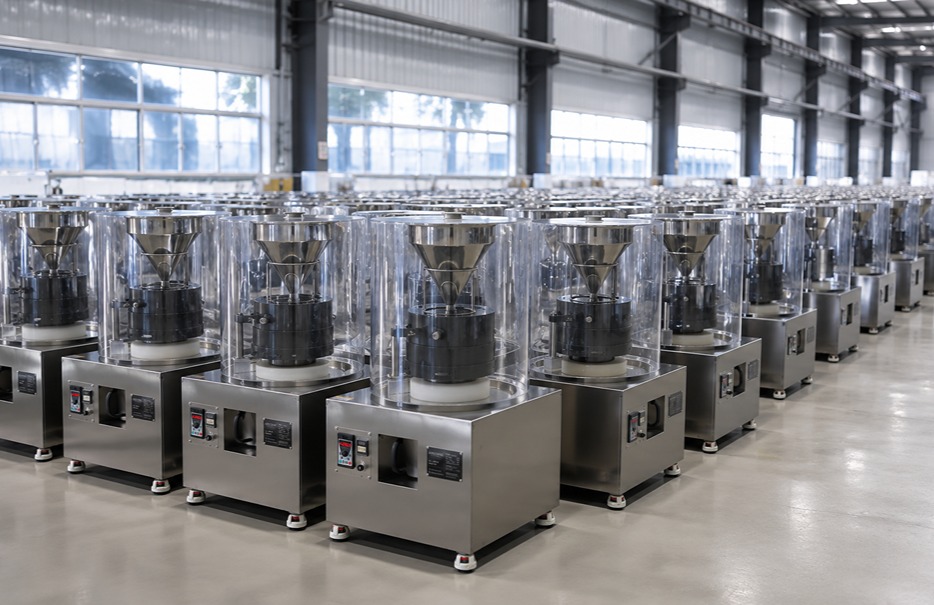
The most distinctive and vital stage of matcha manufacturing is low-temperature stone grinding, the dividing line between authentic matcha and common green tea powder.Top-grade matcha solely uses natural granite millstones for slow grinding, instead of high-speed mechanical grinders. Granite stone mills generate minimal heat and deliver ultra-fine fineness. Slow-spinning stone wheels crush tencha into powder under low temperature, protecting amino acids, vitamins and aromatic compounds in tea from high-temperature damage. Finished matcha reaches a fineness of over 1000 mesh, featuring light, fluffy texture that fully dissolves and mixes evenly in water, milk and other liquids without sediment. To guarantee consistent flavor and color, manufacturers perform batch blending and sealed low-temperature aging for up to six months before packaging finished goods, achieving stable and uniform product quality.
Industry Insight: Premium Craftsmanship Drives Global Market Growth
Industry analysts state that matcha’s elaborate full-process production technique is the core factor behind its enduring popularity in the global high-end food and beverage market.
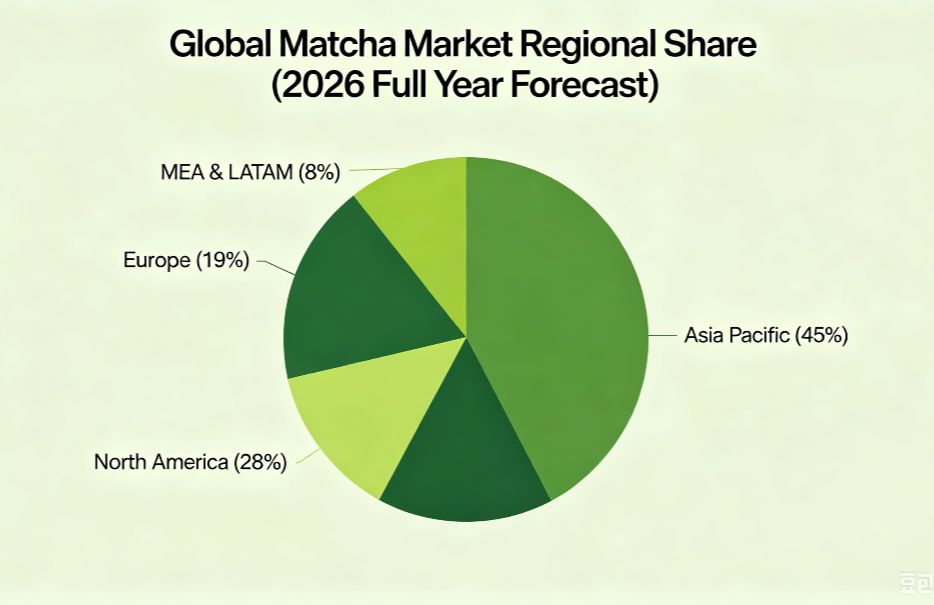
In recent years, rising consumer demand for healthy, clean-label ingredients has expanded matcha’s application scope widely across specialty coffee, desserts, baked goods and functional health foods. The global matcha market maintains double-digit year-on-year growth.
Currently, the worldwide matcha industry is shifting toward standardized and refined production. Major tea-producing regions have unified technical standards covering shaded cultivation, steam fixation, drying refining and stone grinding, greatly boosting the stability and premium positioning of finished matcha. As more consumers recognize genuine matcha production standards, high-quality pure stone-ground matcha will gradually replace low-cost counterfeit green tea powder, optimizing the overall industrial structure.
Final Takeaway
Matcha is far more than simply ground green tea.From professional shaded tea cultivation, precise steam fixation, thorough purification refining to low-temperature stone grinding, every production step integrates ancient tea-making wisdom and modern industrial precision. This unique, strict manufacturing process enables matcha to retain rich nutrition, superior flavor and high commercial value, and will sustain its long-lasting popularity within global premium beverage and healthy food sectors.