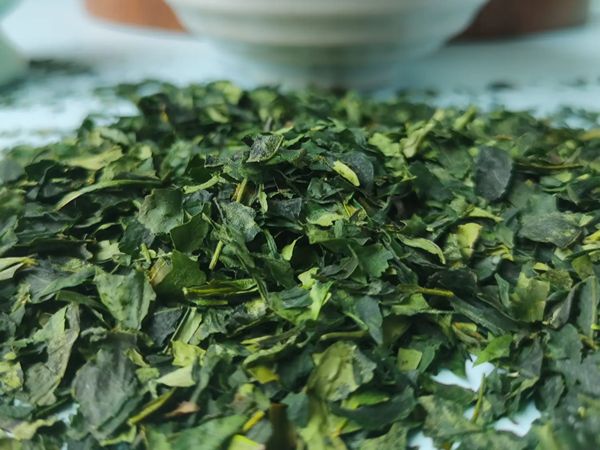
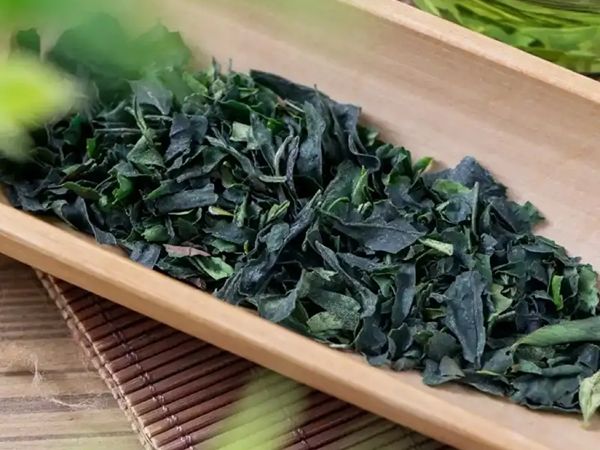
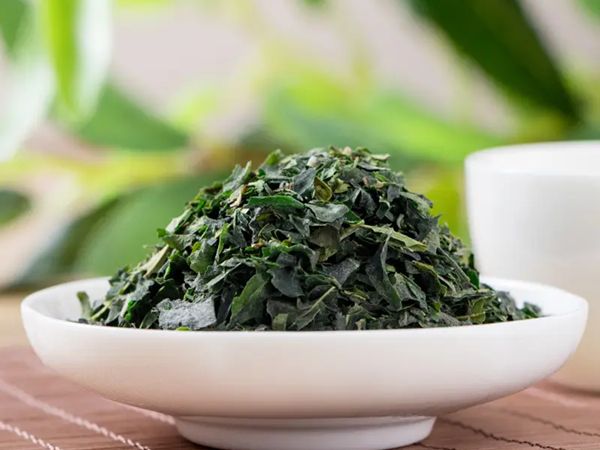
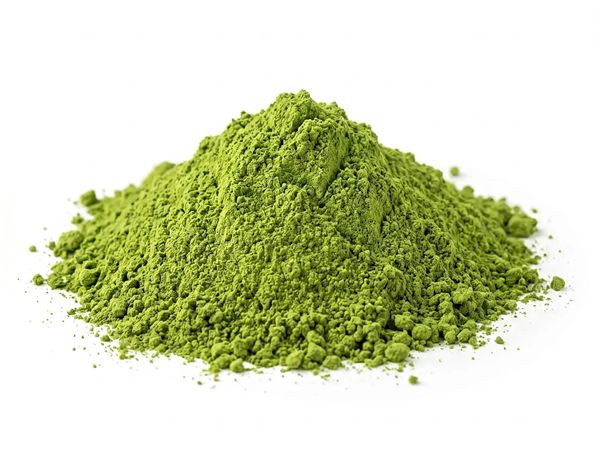
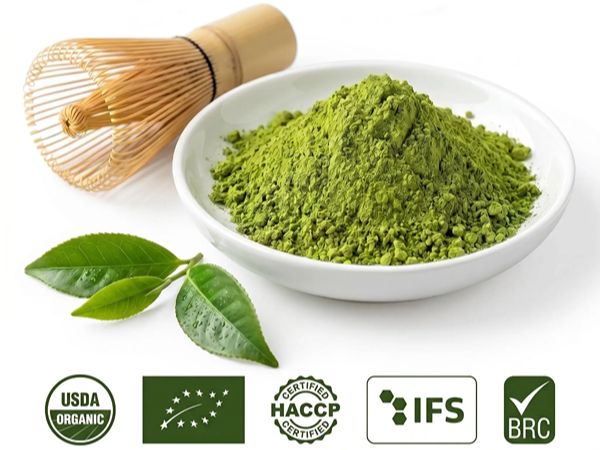
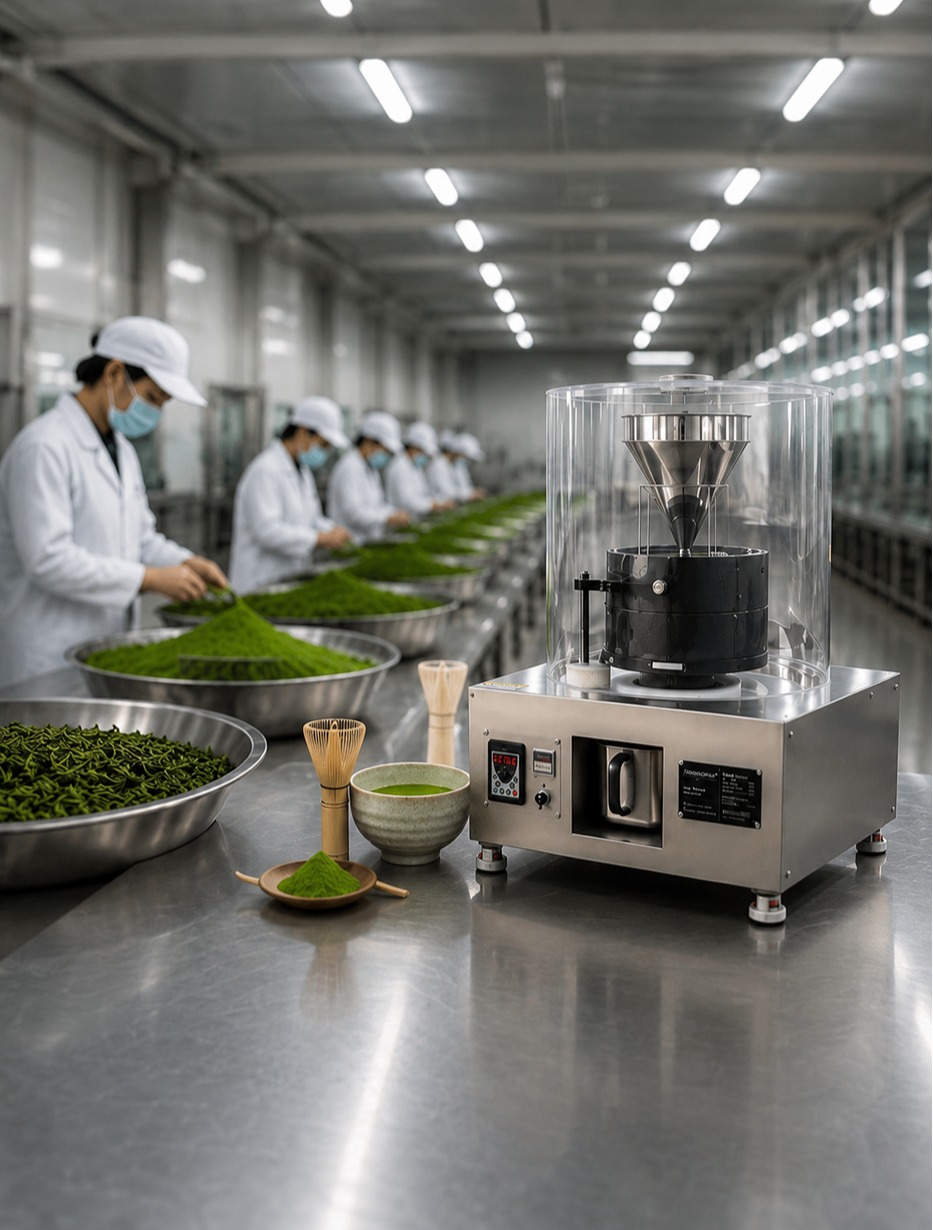
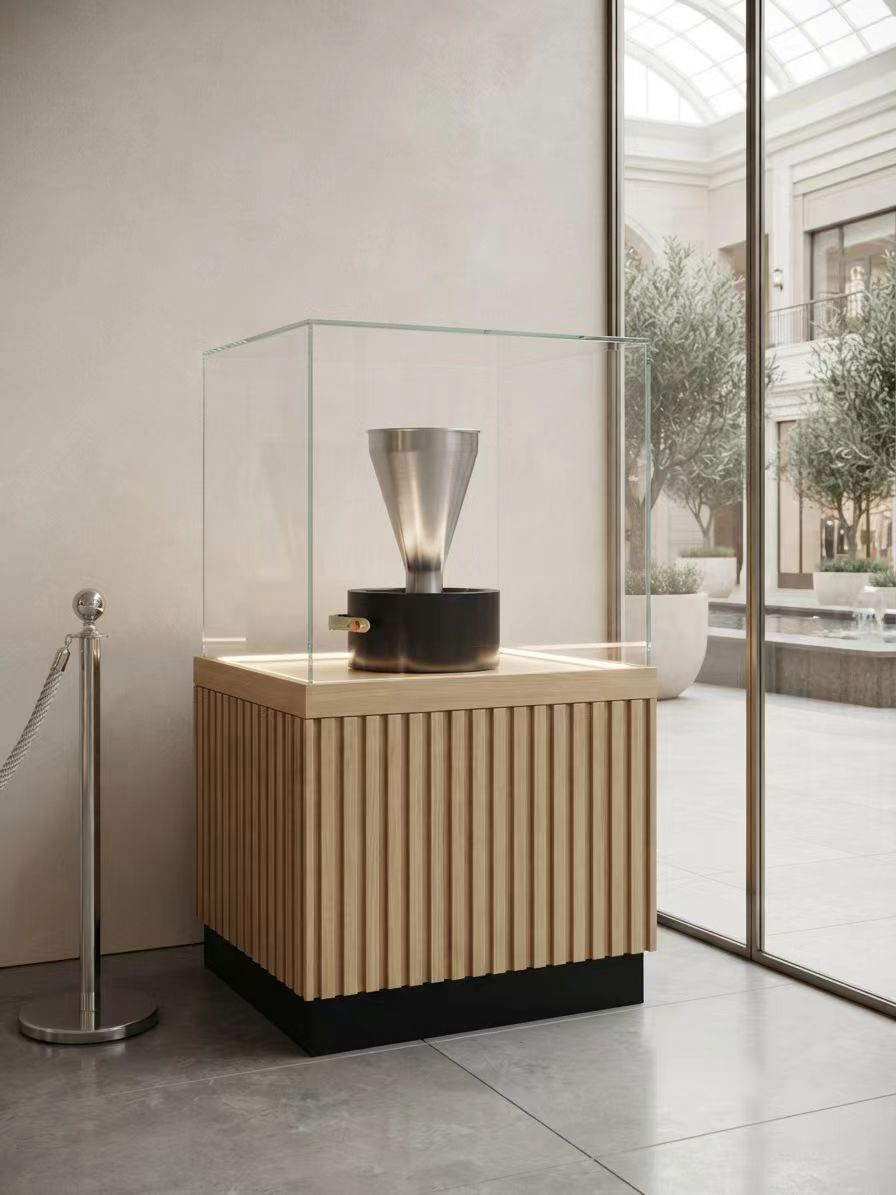
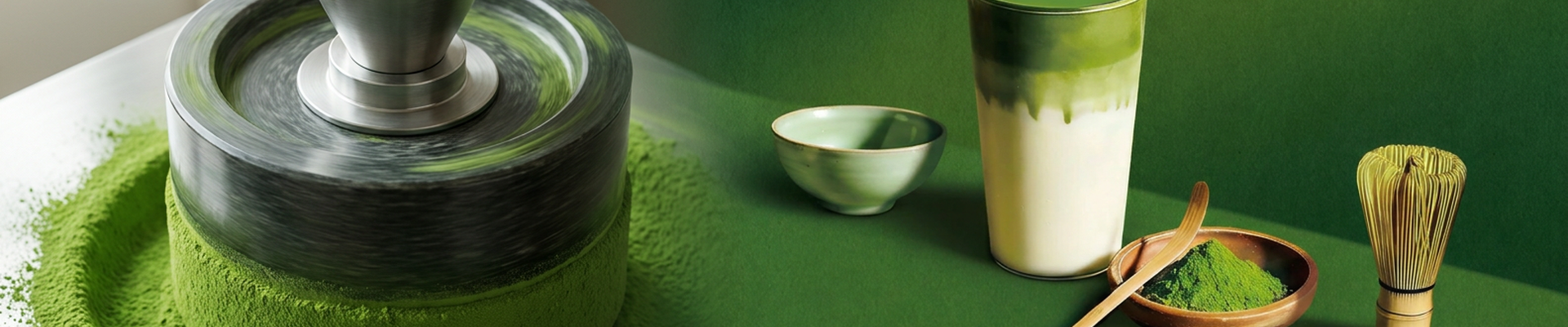
Matcha is not simply powdered green tea. Producing high-quality matcha requires a carefully controlled grinding process that transforms specially prepared tea leaves, known as tencha, into an exceptionally fine powder.
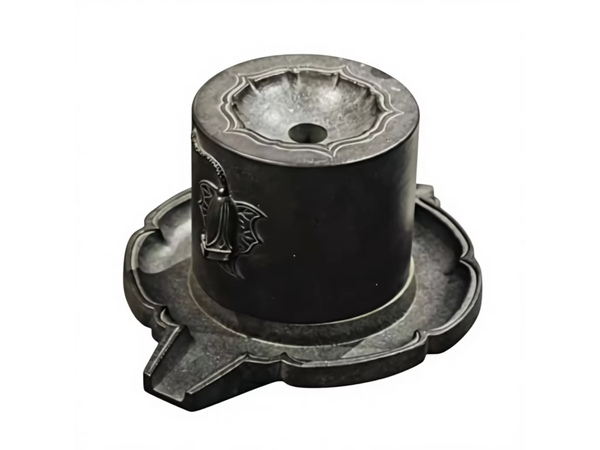
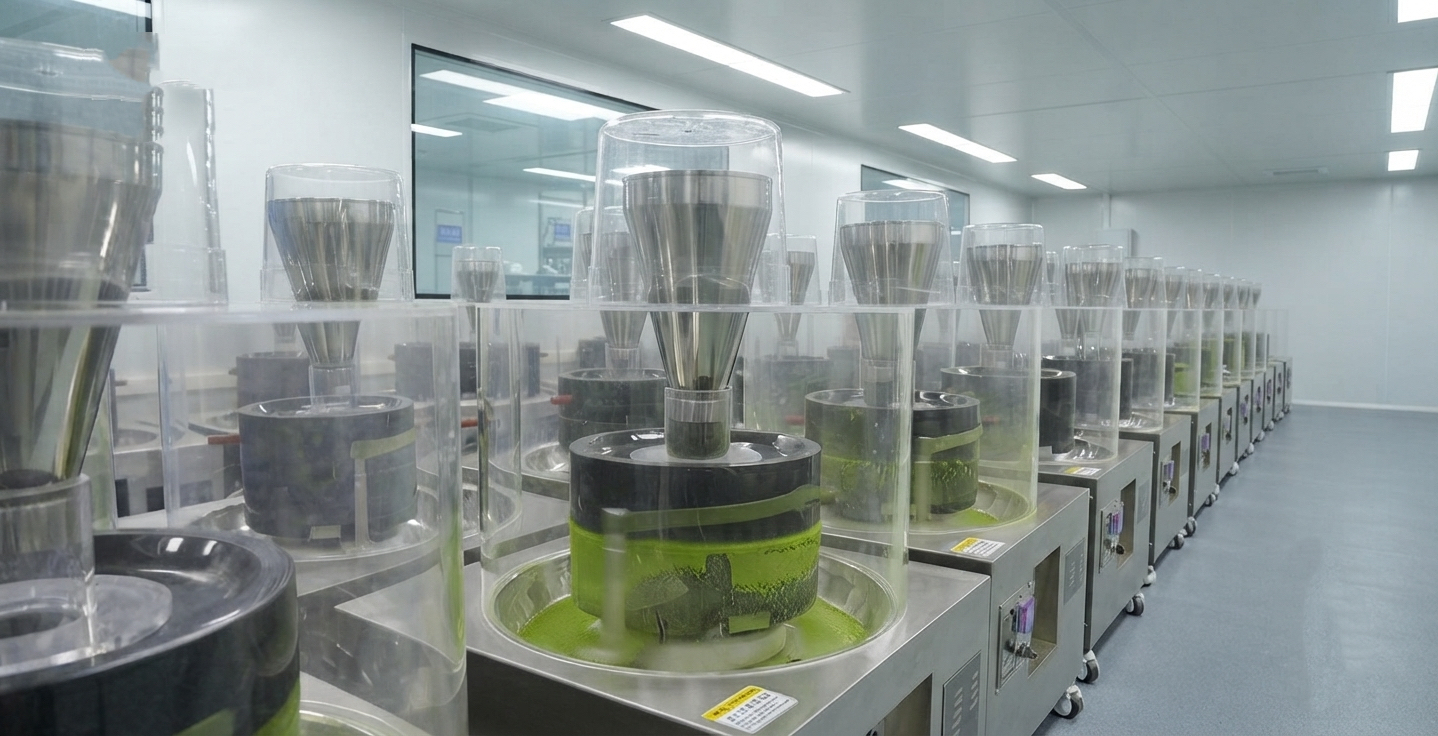
Traditional matcha has been produced with stone mills for centuries. Today, commercial electric matcha stone mills combine this traditional grinding principle with modern mechanical engineering to provide more consistent operation for cafés, tea houses, matcha brands and professional tea businesses.
But how exactly does a matcha stone mill work?
In this guide, we explain the complete grinding process, from feeding tencha into the mill to producing fine matcha powder, and examine why grinding speed, stone design, material and temperature control are so important.
What Does a Matcha Stone Mill Grind?
A matcha stone mill is designed specifically to grind tencha, the tea material used to produce matcha.
Before grinding, tencha undergoes several processing steps. The tea leaves are steamed, dried without rolling, and processed to produce a flat, dry leaf material suitable for grinding.
The quality of the raw material has a major influence on the final matcha. A stone mill cannot compensate for poor-quality tea leaves.
This is why professional matcha production begins with both carefully selected tencha and a properly designed grinding system.
The Basic Structure of a Matcha Stone Mill
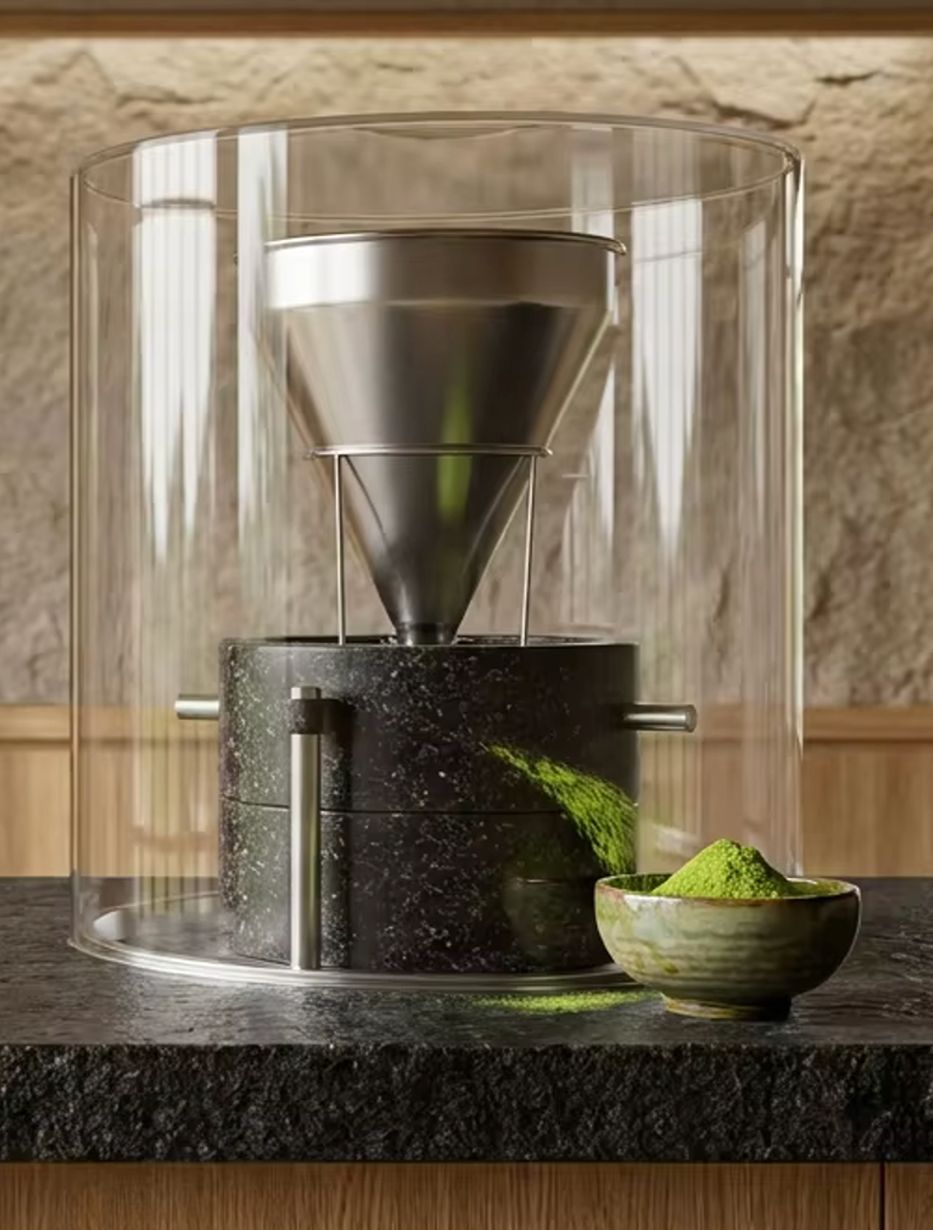
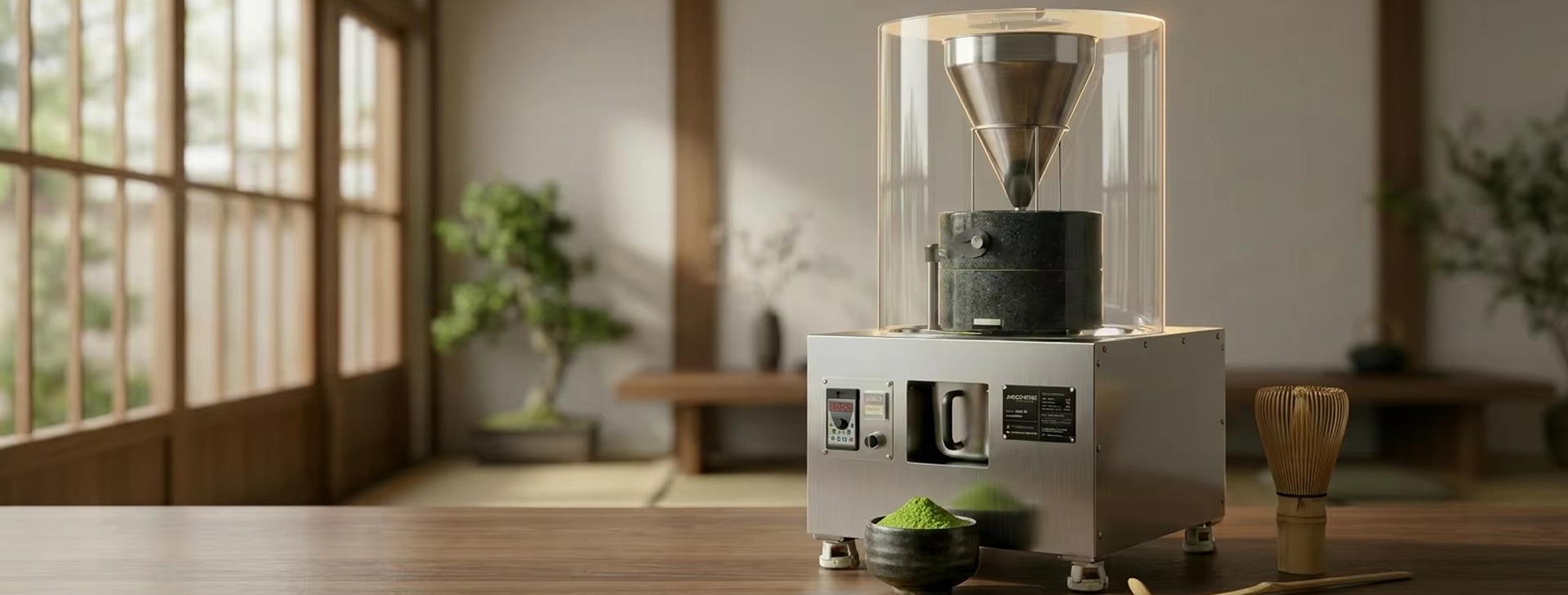
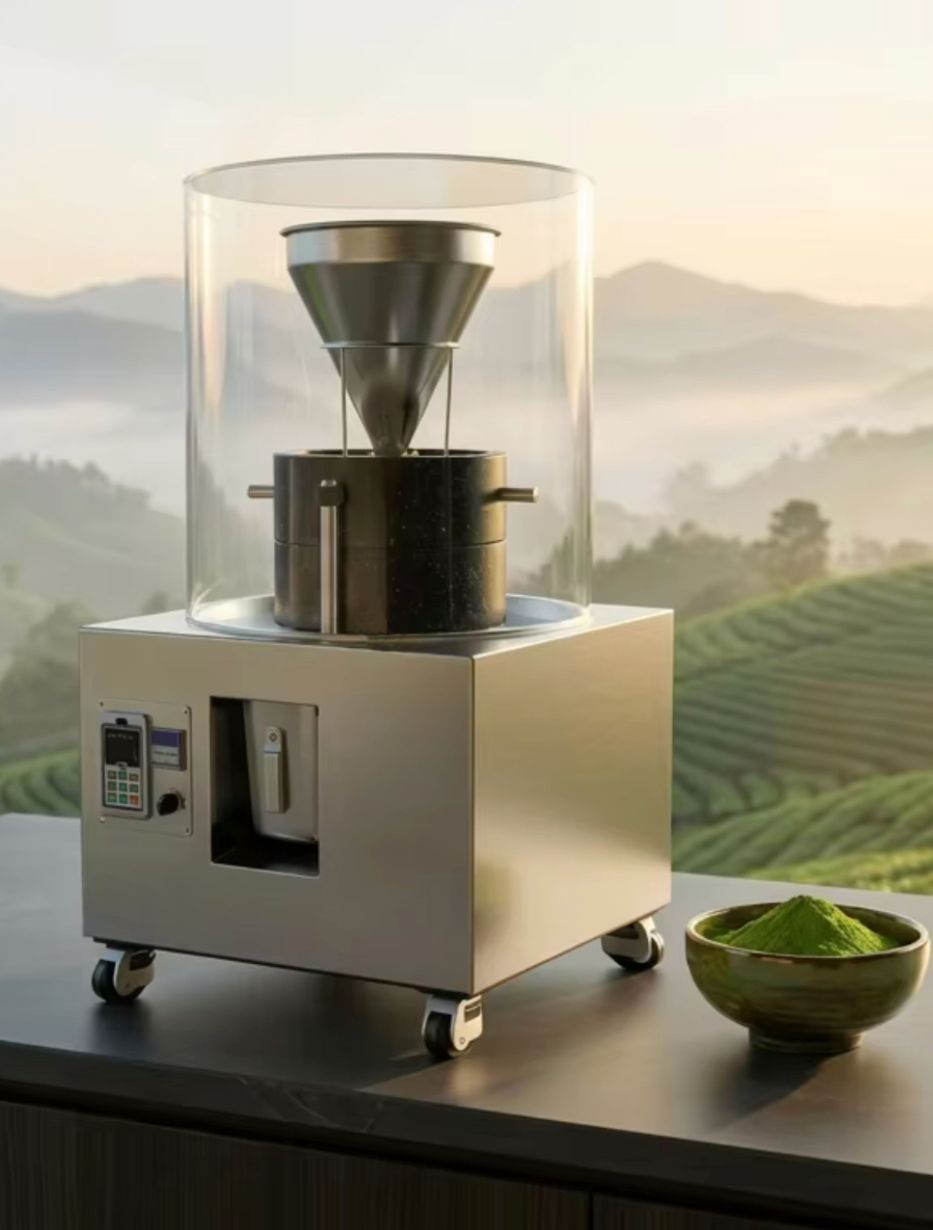
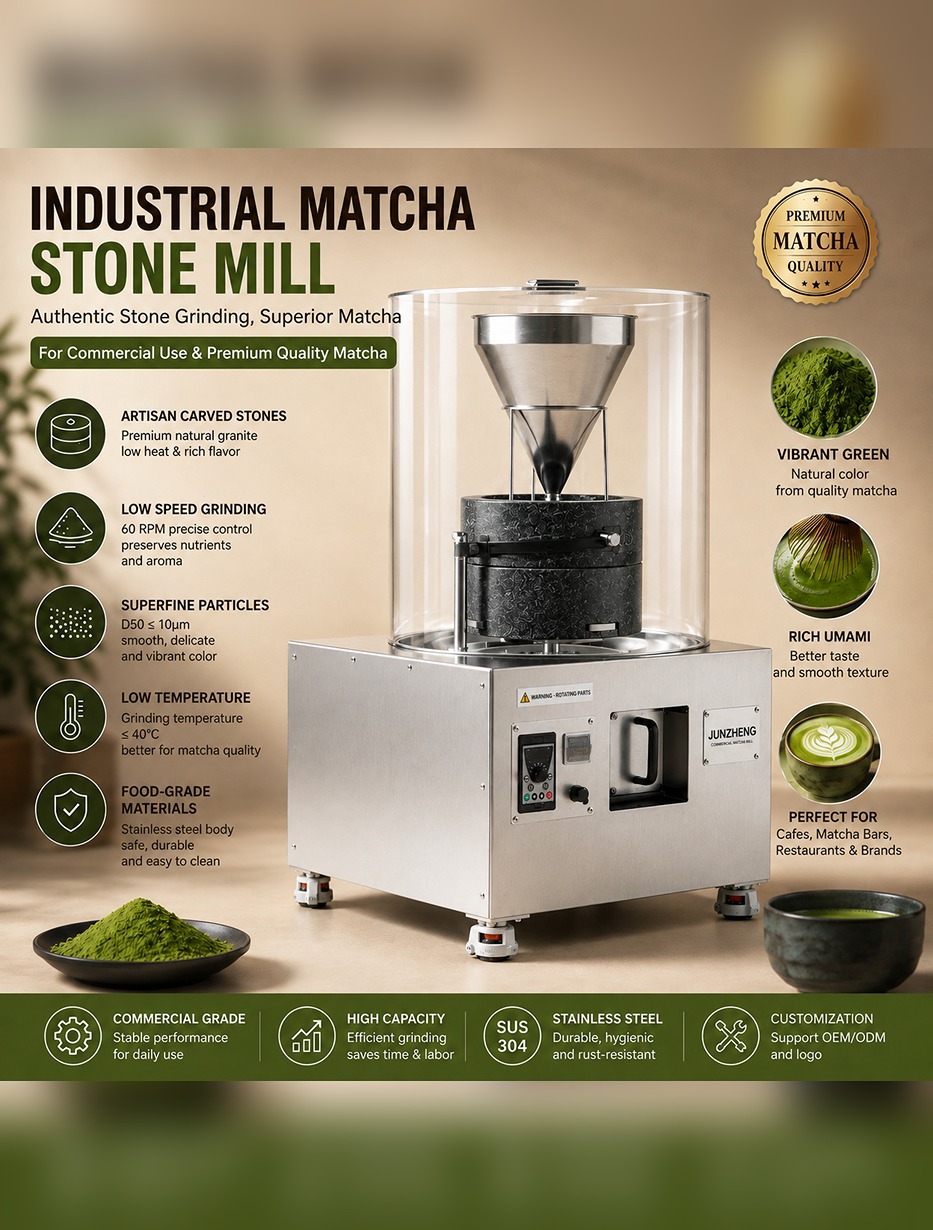
A commercial matcha stone mill generally consists of several key components:
- Upper grinding stone
- Lower grinding stone
- Grinding grooves
- Central feeding area
- Drive motor
- Speed-control or transmission system
- Tencha hopper
- Powder collection system
- Protective cover
- Machine frame and housing
The exact design varies between machines, but the fundamental principle remains the same:
Tencha is gradually introduced between two grinding surfaces and transformed into fine powder through controlled compression and friction.
How the Grinding Process Works
The process begins when dried tencha is placed into the feeding hopper.
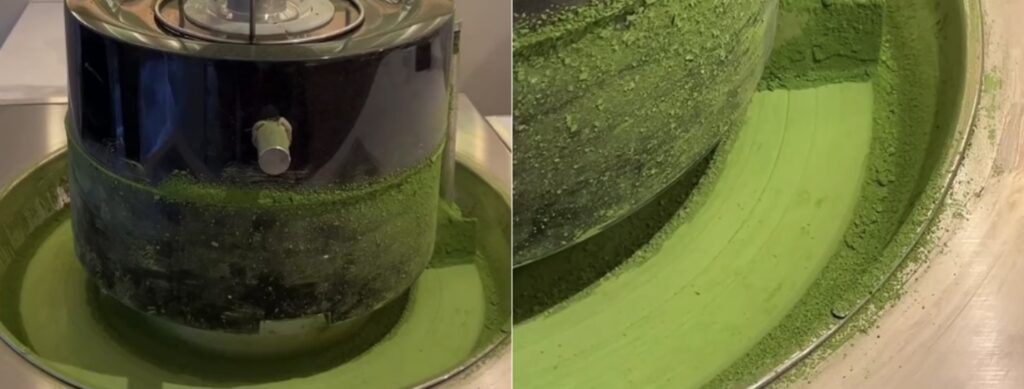
The material is gradually introduced toward the center of the grinding stones. As the upper stone rotates, the tea leaves enter the narrow space between the two stone surfaces.
The grinding gap and the geometry of the grinding grooves determine how the tea material moves through the mill.
As the tencha travels from the center toward the outer part of the grinding surface, it is progressively crushed and reduced into increasingly fine particles.
Finally, the finished matcha powder exits the grinding area and is collected for use or further processing.
The process may appear simple, but achieving consistent results requires careful control of the grinding system.
Why Does a Matcha Stone Mill Grind Slowly?
One of the defining characteristics of traditional matcha stone grinding is its relatively slow grinding speed.
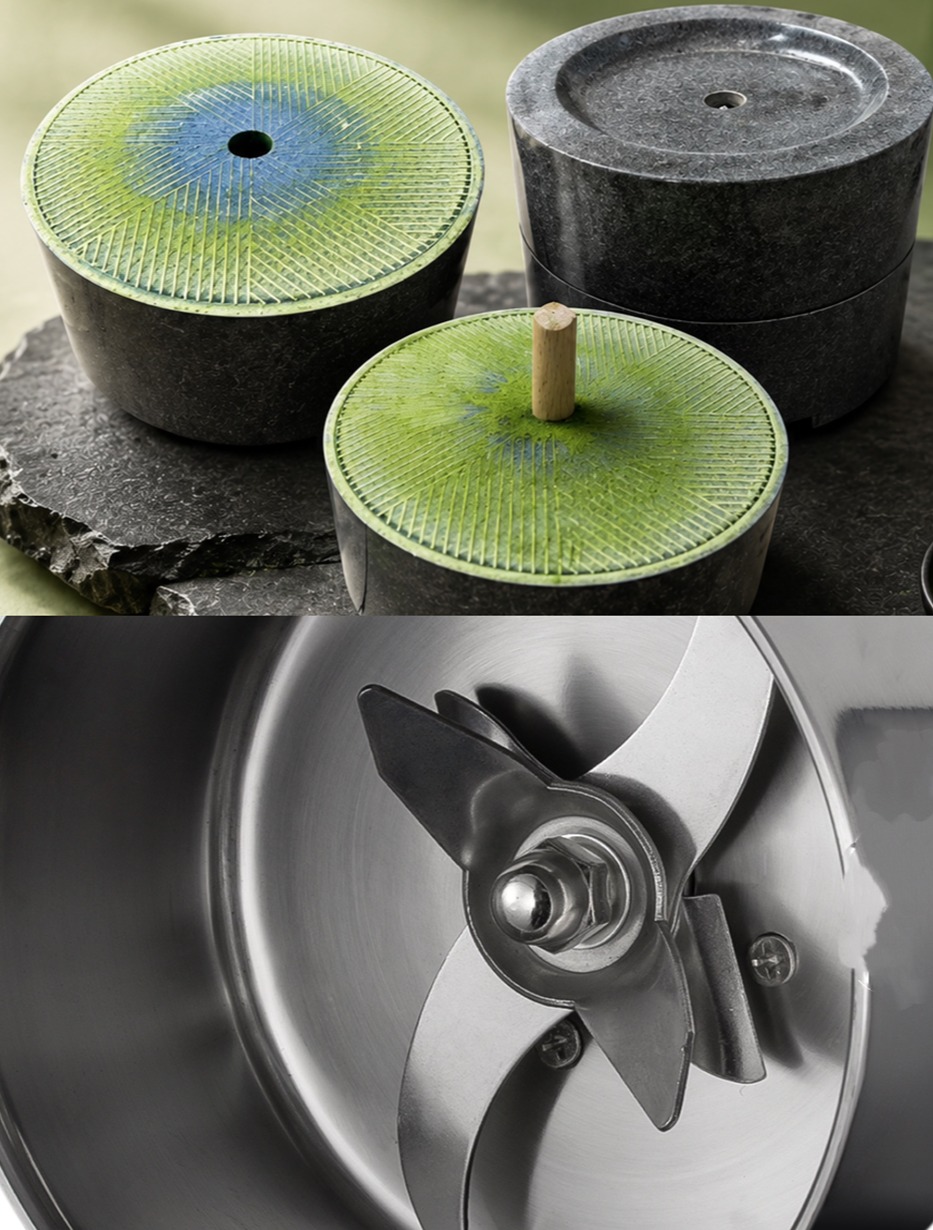
Unlike high-speed blade grinders, a stone mill does not rely on rapidly rotating blades to cut the tea leaves.
Instead, it uses controlled mechanical pressure and friction between the grinding surfaces.
A slower process can help manage heat generation during grinding and provides the gentle processing conditions associated with traditional stone-ground matcha.
For premium matcha, controlling the grinding environment is especially important because excessive heat and uncontrolled mechanical stress can affect the sensory characteristics of the finished powder.
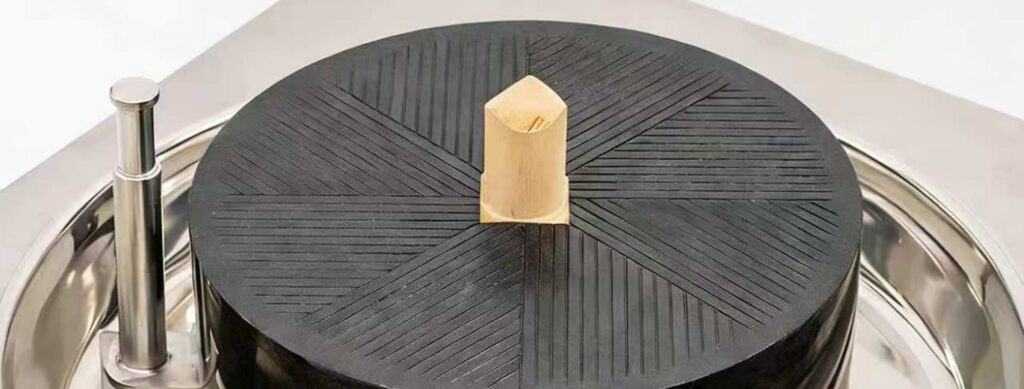
Why Are Grinding Grooves Important?
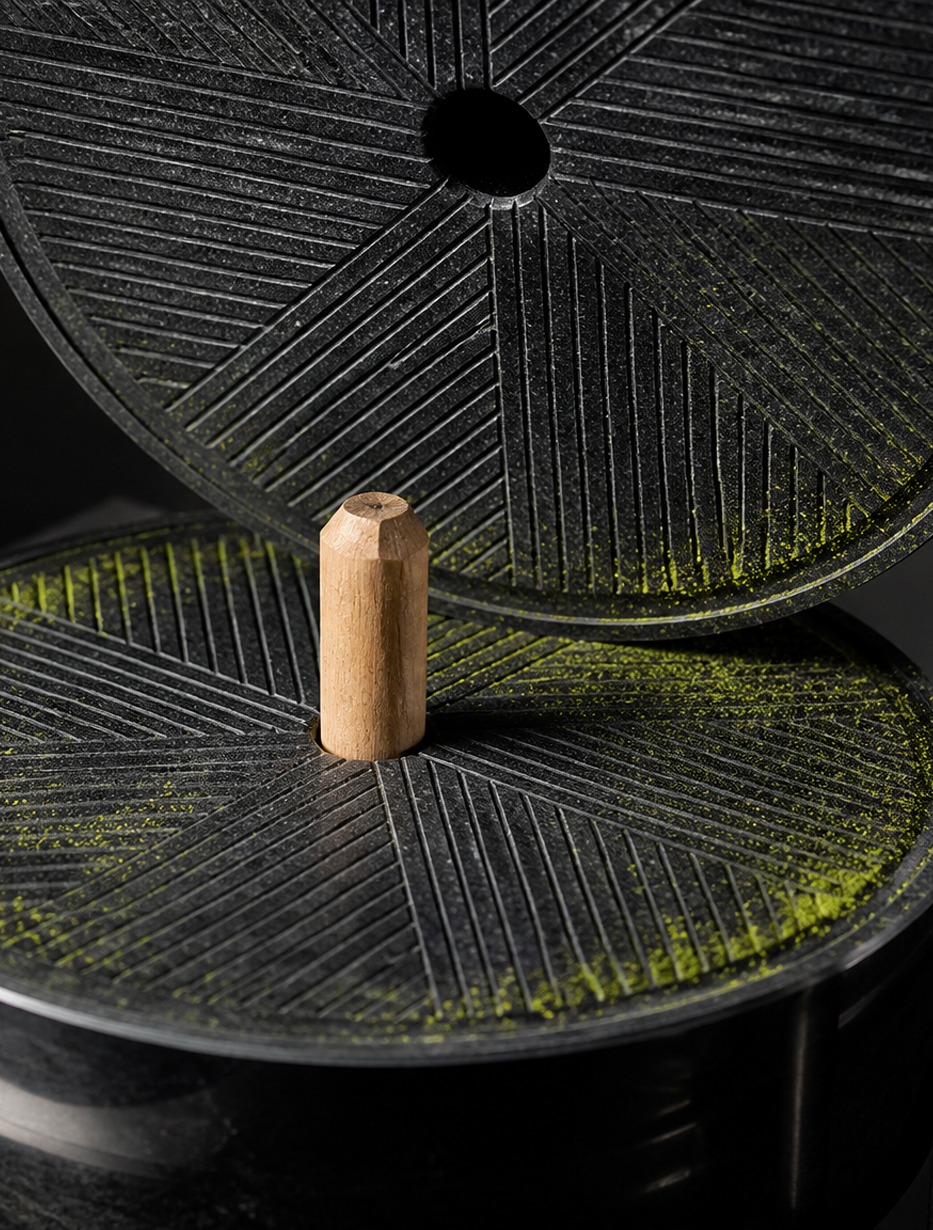
The surface of a matcha grinding stone is not completely flat.
Carefully designed grooves help guide the tea material through the grinding area.
As the stone rotates, the grooves influence:
- Material distribution
- Feeding consistency
- Grinding efficiency
- Residence time
- Powder discharge
The geometry and condition of the grinding surface therefore have a direct influence on the performance of the machine.
A professional matcha stone mill requires more than simply placing two pieces of stone together. The stone geometry, surface condition, rotation speed and feeding system must work together as one grinding system.
Why Is Natural Granite Used?
Natural granite is widely associated with traditional matcha stone grinding because of its hardness, durability and ability to maintain a stable grinding surface.
The properties of the stone influence how the tea material interacts with the grinding surface.
For commercial applications, the grinding stones must be carefully selected and matched to the intended grinding process.
The goal is not simply to use a hard stone. The grinding surface must provide stable and repeatable performance throughout operation.
This is one reason why the quality of the grinding stone is an important consideration when choosing a commercial matcha stone mill.
Why Does Temperature Matter?
Temperature is another important factor in matcha grinding.
Mechanical grinding inevitably generates some heat because of friction. If the grinding process is poorly controlled, excessive heat can negatively influence the sensory characteristics of the finished powder.
A properly designed low-speed grinding system helps manage heat generation during operation.
For professional matcha businesses, temperature management should therefore be considered together with grinding speed, feeding rate, stone condition and operating environment.
Rather than focusing on a single specification, buyers should evaluate the entire grinding system.
What Determines the Final Particle Size?
The final particle size of matcha depends on several factors rather than one single machine specification.
Important factors include:
- Tencha characteristics
- Moisture condition of the tea material
- Grinding stone design
- Grinding gap
- Rotation speed
- Feeding rate
- Grinding surface condition
- Number of grinding passes
For commercial applications, consistency is often more important than simply achieving the smallest possible particle size.
A well-designed grinding system should produce a fine and reasonably uniform powder while maintaining stable operating conditions.
Traditional Stone Grinding vs High-Speed Grinding
The fundamental difference is the way the tea material is processed.
Stone Grinding
Stone mills use controlled pressure and friction between grinding surfaces.
Advantages can include:
- Traditional grinding method
- Fine powder production
- Controlled grinding speed
- Low-speed processing
- Strong connection with premium matcha craftsmanship
High-Speed Blade Grinding
Blade grinders rely primarily on rapidly rotating blades to cut and break down the material.
They can provide faster processing, but the grinding mechanism is fundamentally different from traditional stone grinding.
For businesses selling premium matcha, the choice of grinding technology should therefore be based not only on production speed, but also on the desired product characteristics and brand positioning.
What Makes a Commercial Matcha Stone Mill Different?
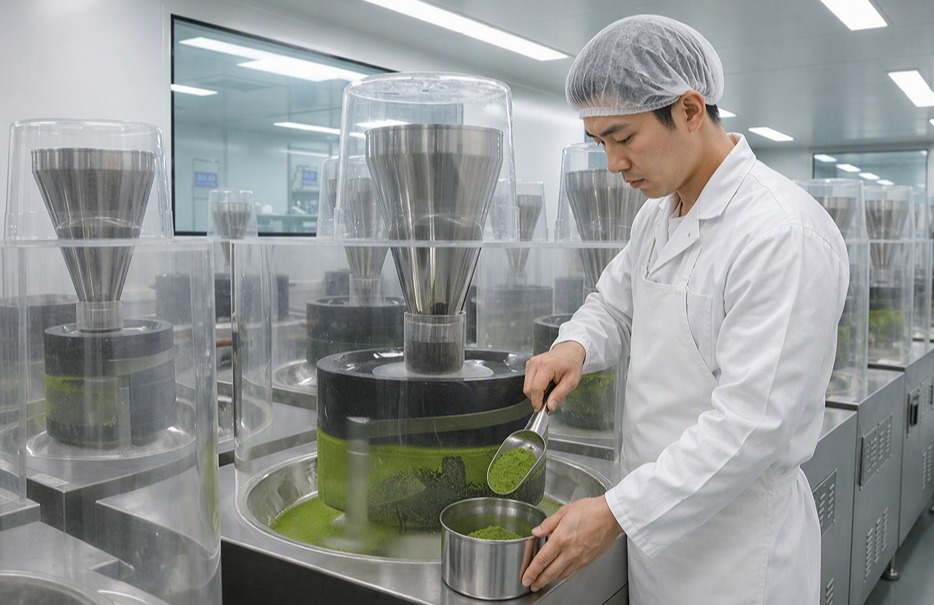
A traditional stone mill and a commercial electric matcha stone mill may use the same basic grinding principle, but commercial equipment must meet additional requirements.
A professional commercial machine should provide:
Stable operation
The grinding system should maintain consistent performance during repeated operation.
Reliable mechanical structure
The motor, transmission system, frame and grinding stones need to work together reliably.
Controlled feeding
Consistent feeding helps maintain stable grinding conditions.
Easy operation
Commercial users need equipment that can be operated and maintained efficiently.
Safety
Protective covers and appropriate electrical and mechanical protection are important for professional environments.
Technical support
Commercial customers also need access to operating instructions, maintenance guidance and spare parts support.
How to Get Better Results From a Matcha Stone Mill
Even a high-quality machine requires proper operation.
For consistent results, professional users should pay attention to:
- Use suitable tencha.
- Keep the tea material in an appropriate condition before grinding.
- Avoid overfeeding the grinding chamber.
- Monitor the operating temperature.
- Keep the grinding stones clean.
- Inspect the grinding surface regularly.
- Follow the manufacturer’s recommended operating parameters.
- Maintain the machine according to the manufacturer’s instructions.
The machine and the raw material must work together. Good matcha is the result of a controlled process rather than a single piece of equipment.
For a café owner or matcha brand, understanding how a stone mill works can make it easier to choose the right equipment.
For a café owner or matcha brand, understanding how a stone mill works can make it easier to choose the right equipment.
Instead of comparing machines only by price, motor power or advertised capacity, buyers should consider the complete grinding system.
Important questions include:
- What type of grinding stone is used?
- How is the grinding gap controlled?
- What is the operating speed?
- How is heat managed?
- How consistent is the feeding system?
- How easy is maintenance?
- What technical support is available?
These questions help buyers evaluate whether a machine is genuinely designed for professional matcha grinding.
Conclusion
A matcha stone mill works through a carefully controlled combination of feeding, rotation, pressure and friction.
Tencha enters the center of the grinding stones and gradually moves through the grinding surface as the rotating stone reduces the material into fine powder.
The quality of the final matcha depends on much more than the grinding stones themselves. Raw material, stone design, grinding speed, feeding rate, temperature management and machine maintenance all contribute to the final result.
For commercial matcha businesses, understanding these principles is the first step toward selecting equipment that can provide stable performance and consistent grinding results.
At JUNZHENG, we combine traditional stone-grinding principles with modern commercial equipment design to provide professional matcha grinding solutions for cafés, tea houses, matcha brands and tea businesses worldwide.
Looking for a Commercial Matcha Stone Mill?
Explore our commercial matcha stone mill solutions or contact our technical team to discuss your grinding requirements, application and market.
If you are new to matcha stone grinding, read our complete guide to [What Is a Matcha Stone Mill?]