Introduction
For centuries, stone mills have played a vital role in producing authentic Japanese matcha. While modern grinding technologies can process tea more quickly, professional matcha producers continue to rely on stone grinding to achieve the finest texture, vibrant green color, and rich aroma that define premium matcha.
In this guide, we’ll explore what a matcha stone mill is, how it works, why natural granite is preferred, and why commercial stone mills remain the gold standard for producing high-quality matcha.
What Is a Matcha Stone Mill?
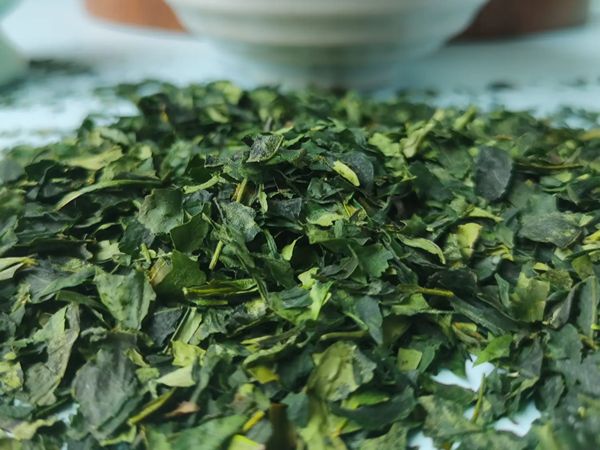
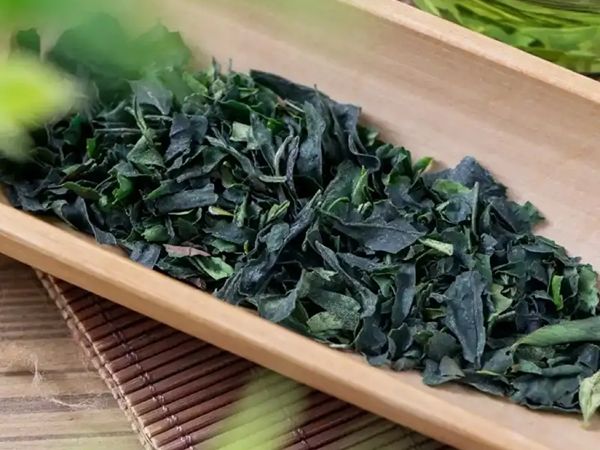
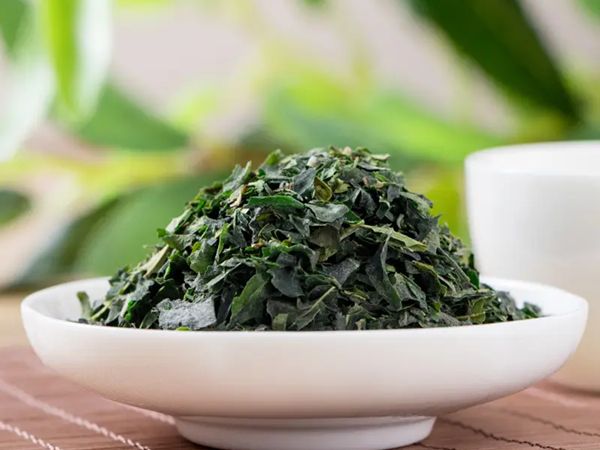
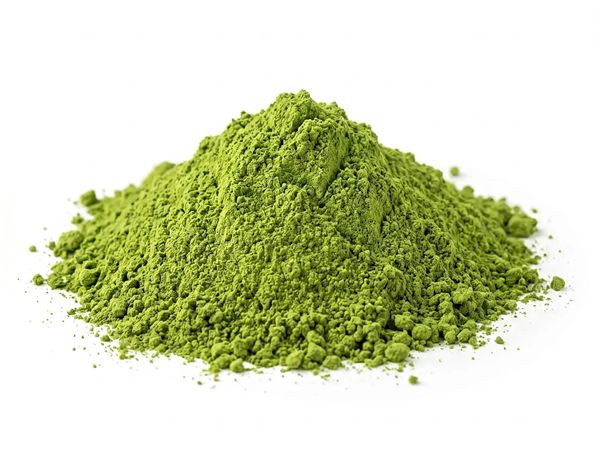
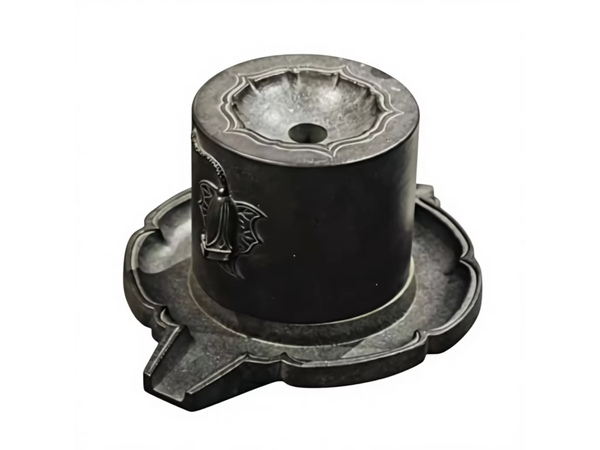
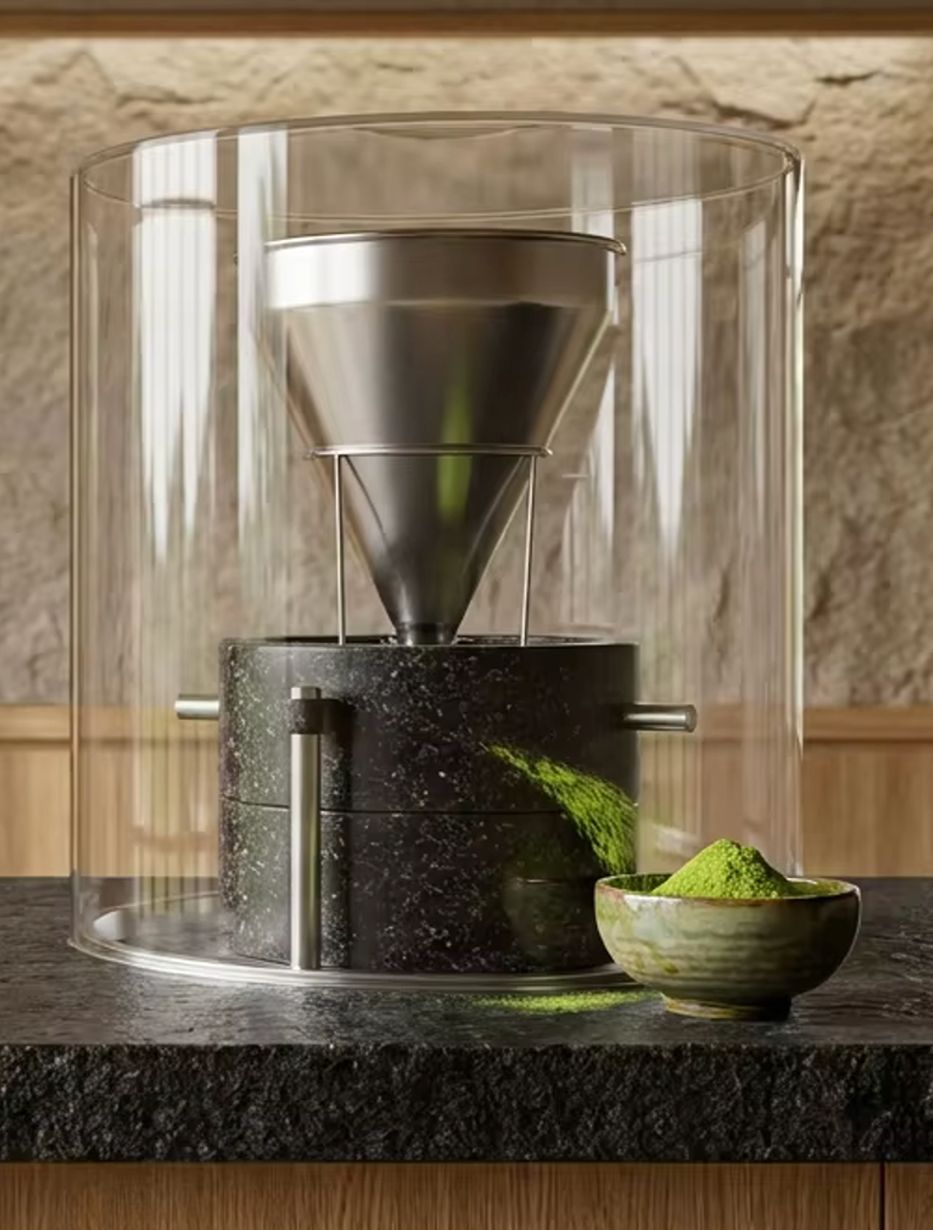
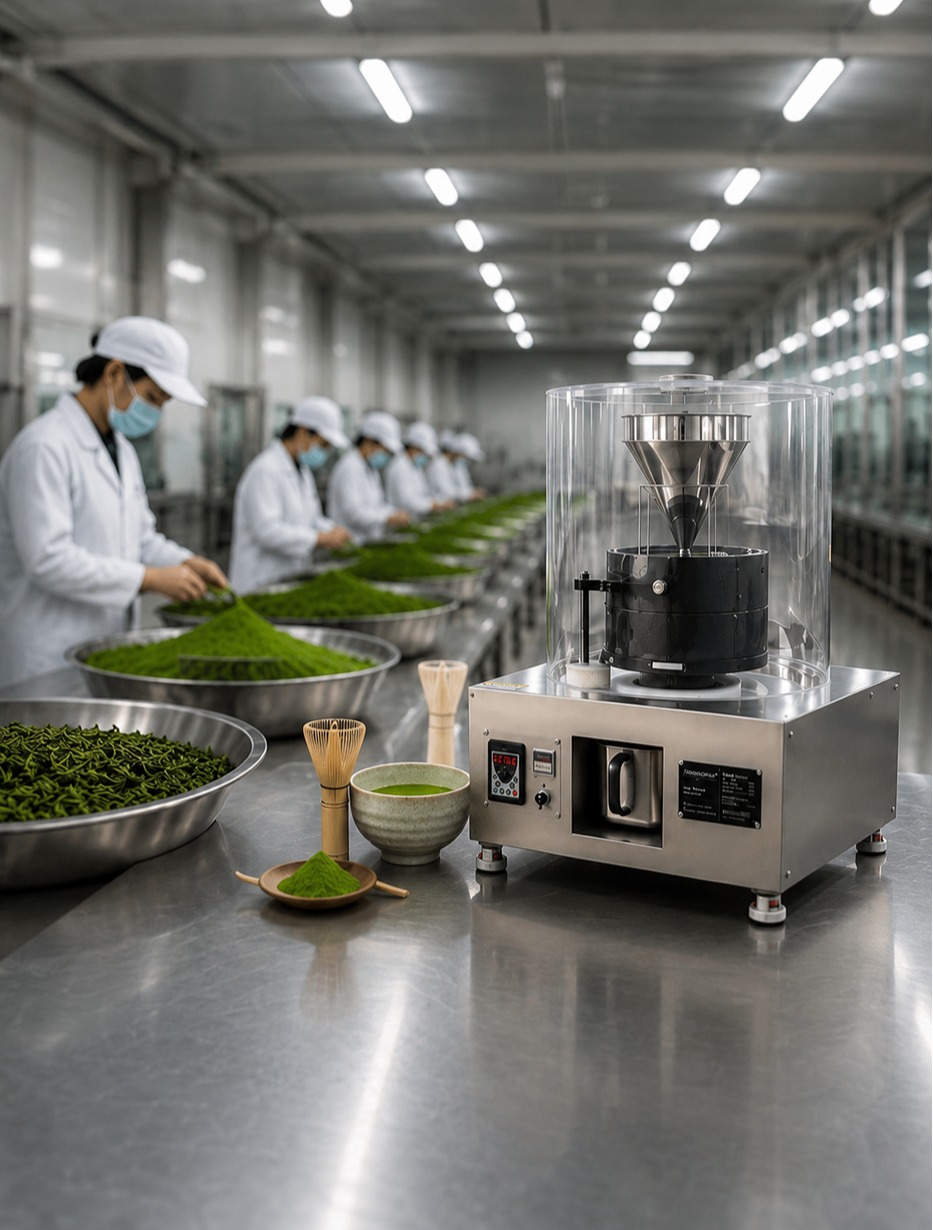
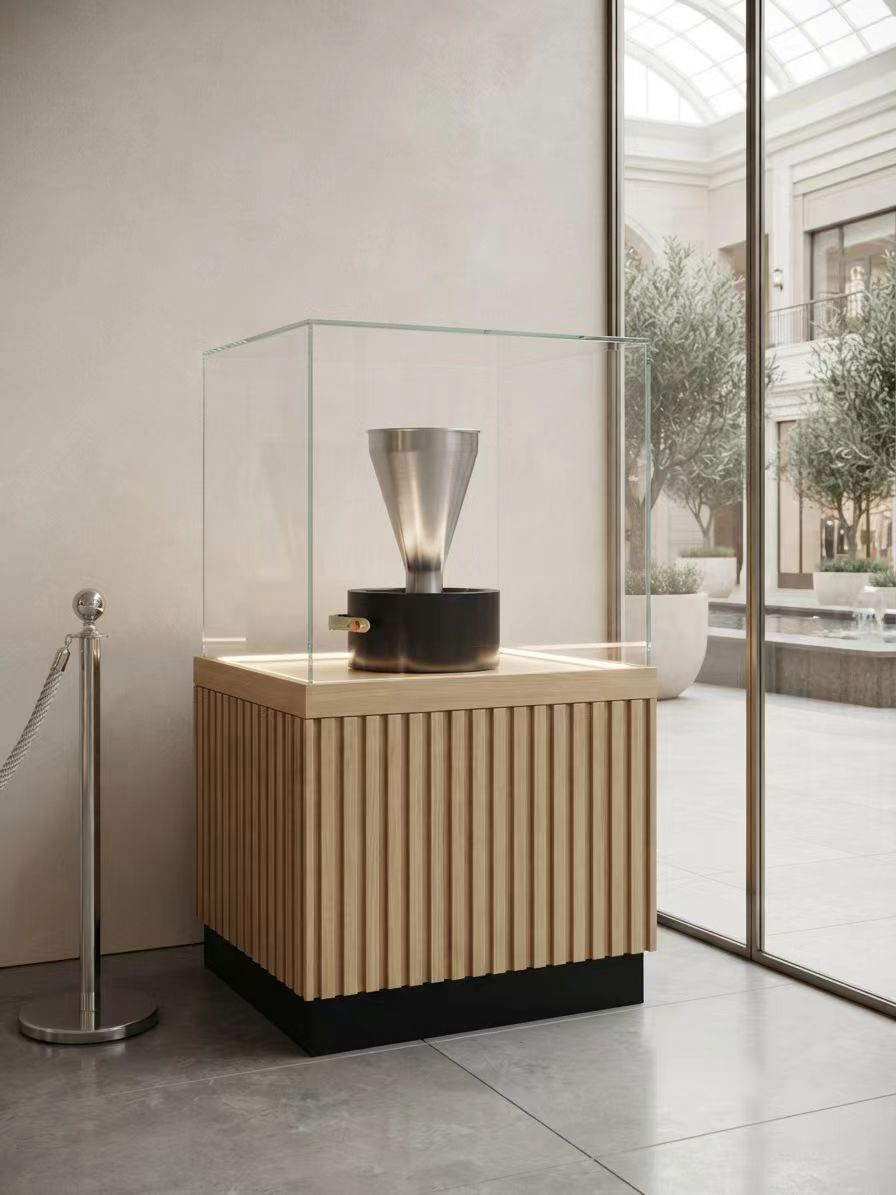
A matcha stone mill is a precision grinding device designed to slowly grind tencha leaves into ultra-fine matcha powder.
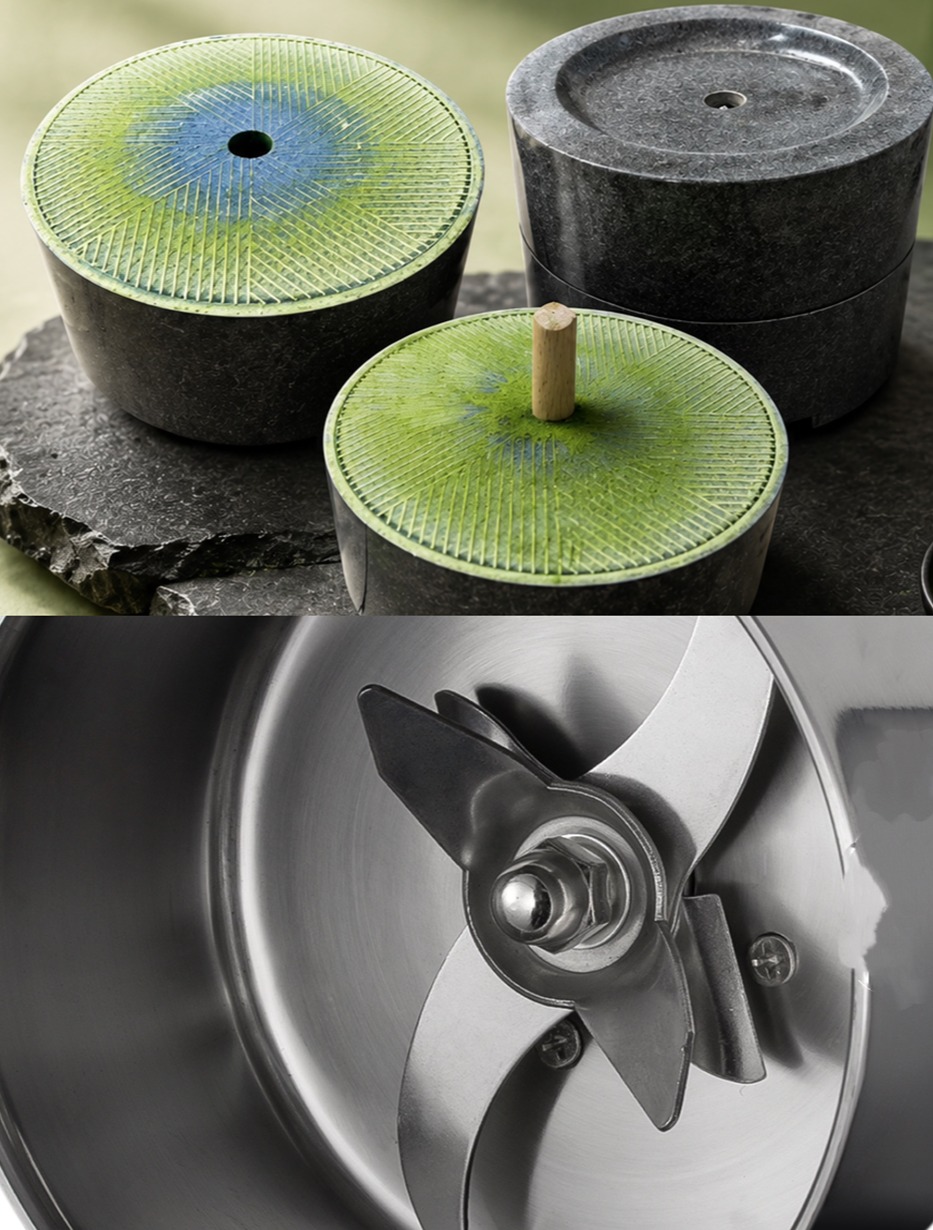
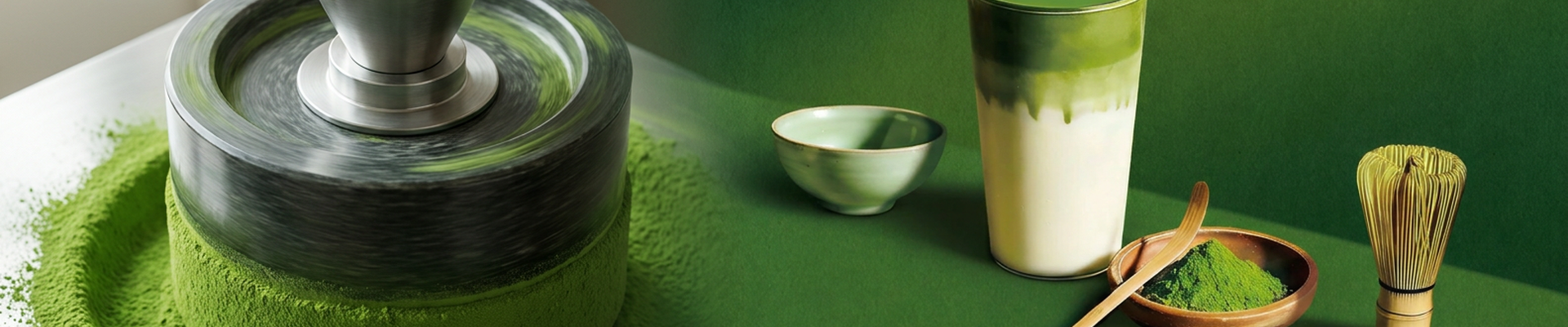
Unlike blade grinders that cut tea leaves at high speed, a stone mill gently crushes the leaves between two carefully matched granite grinding stones. This slow grinding process minimizes heat generation and helps preserve the tea’s natural color, aroma, flavor, and nutritional compounds.
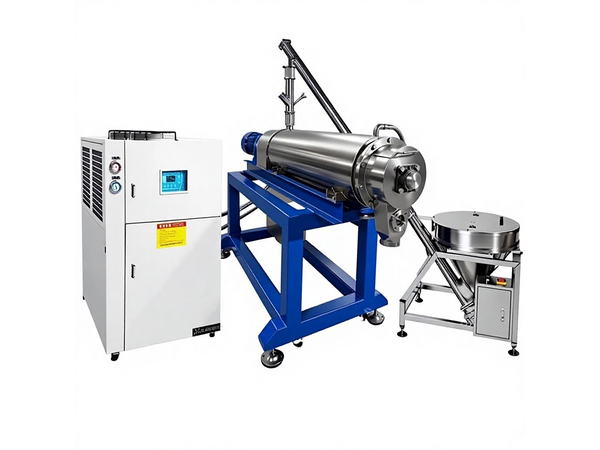
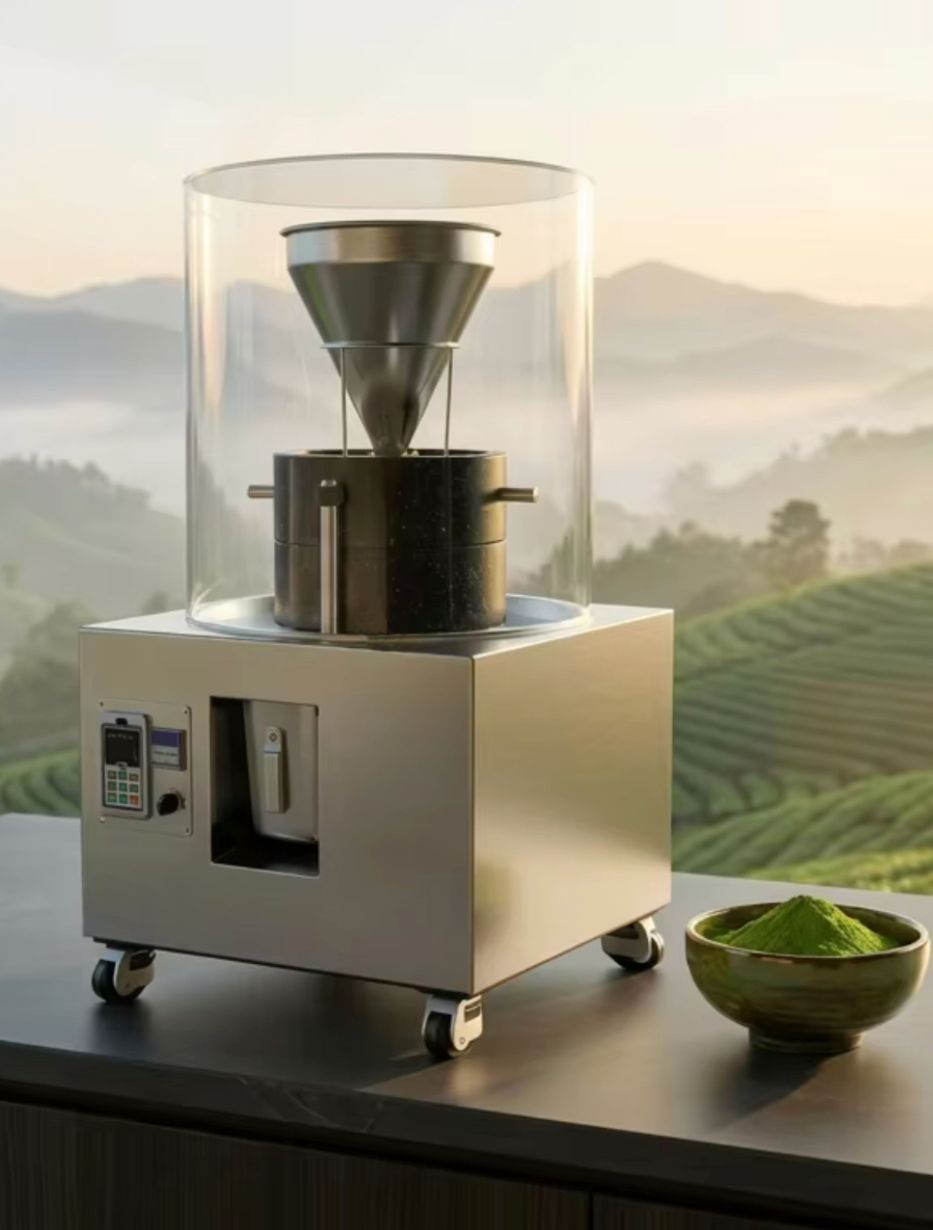
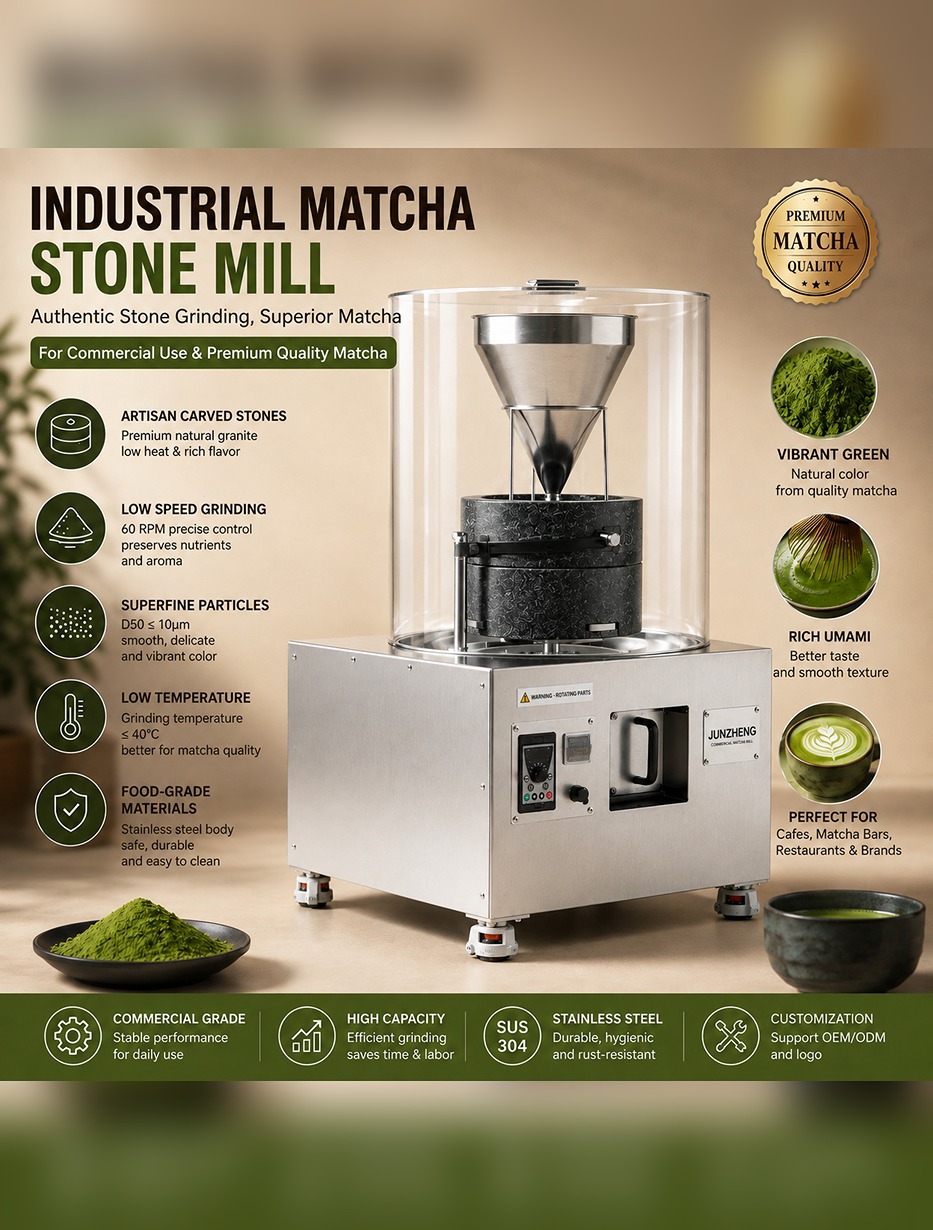
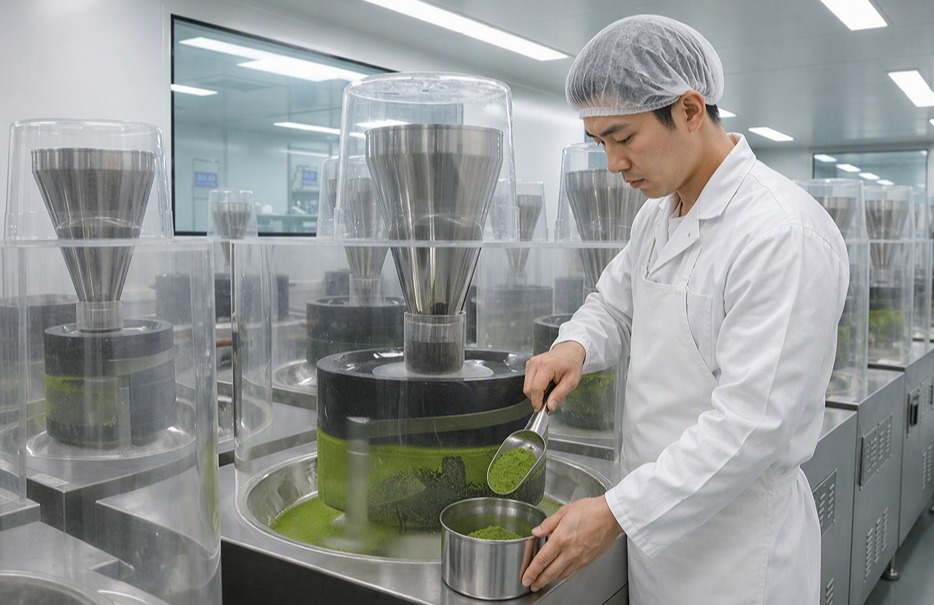
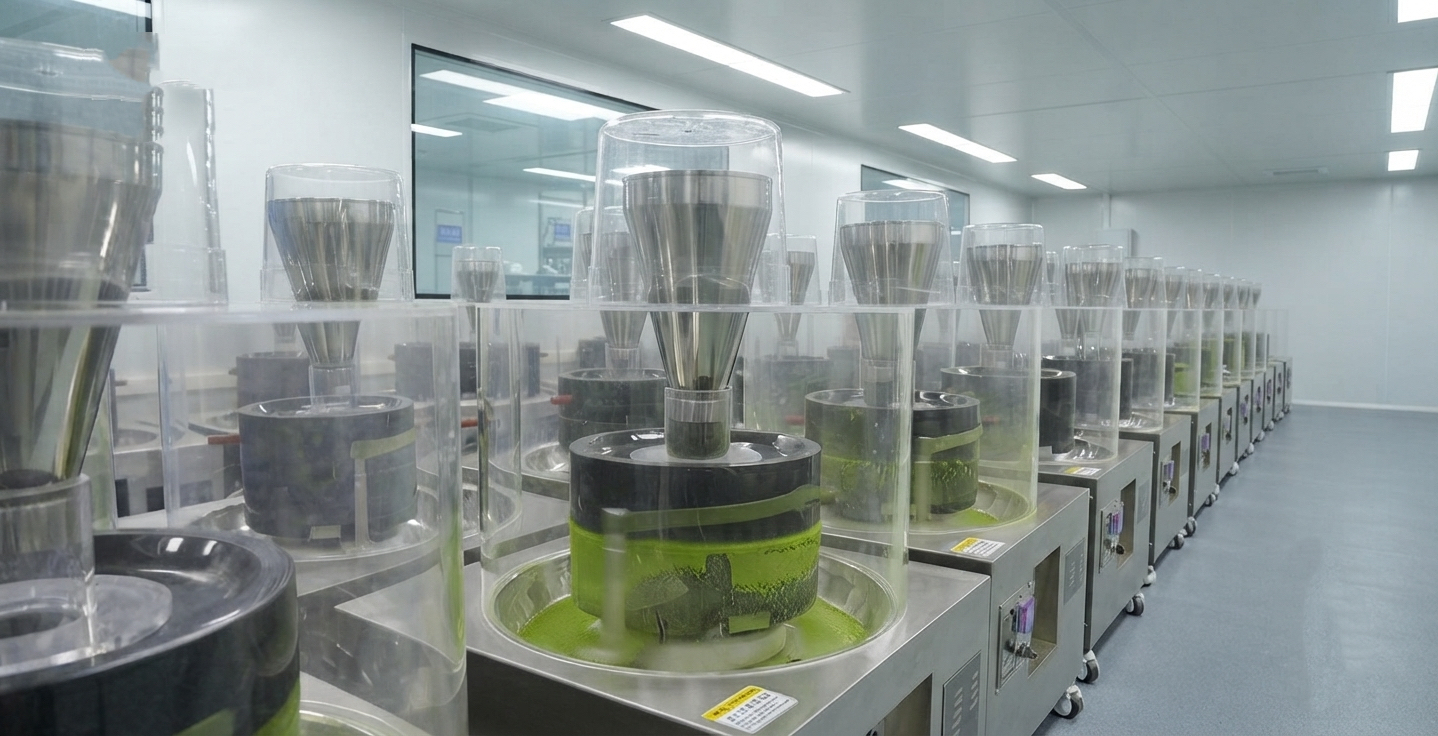
Today, commercial electric matcha stone mills combine traditional stone-grinding principles with modern engineering, offering greater consistency and efficiency while maintaining the authentic characteristics of stone-ground matcha.
How Does a Matcha Stone Mill Work?
The grinding process is based on controlled friction rather than cutting.
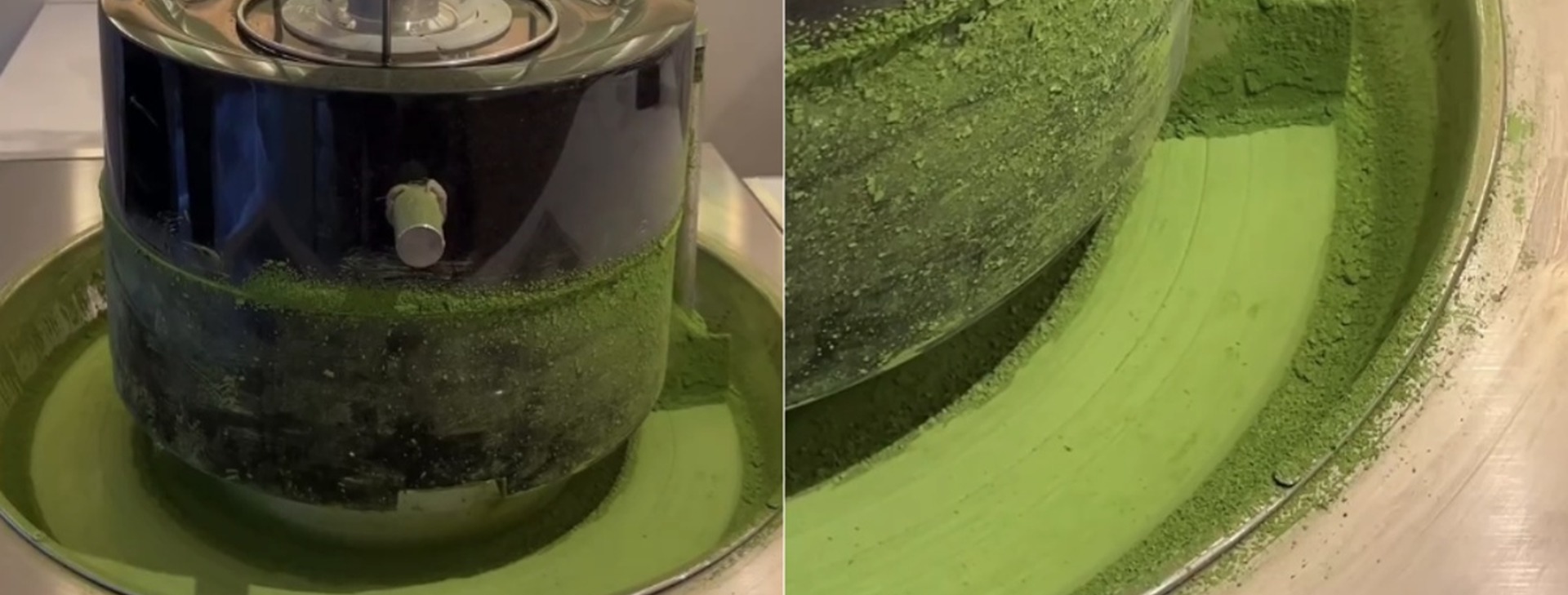
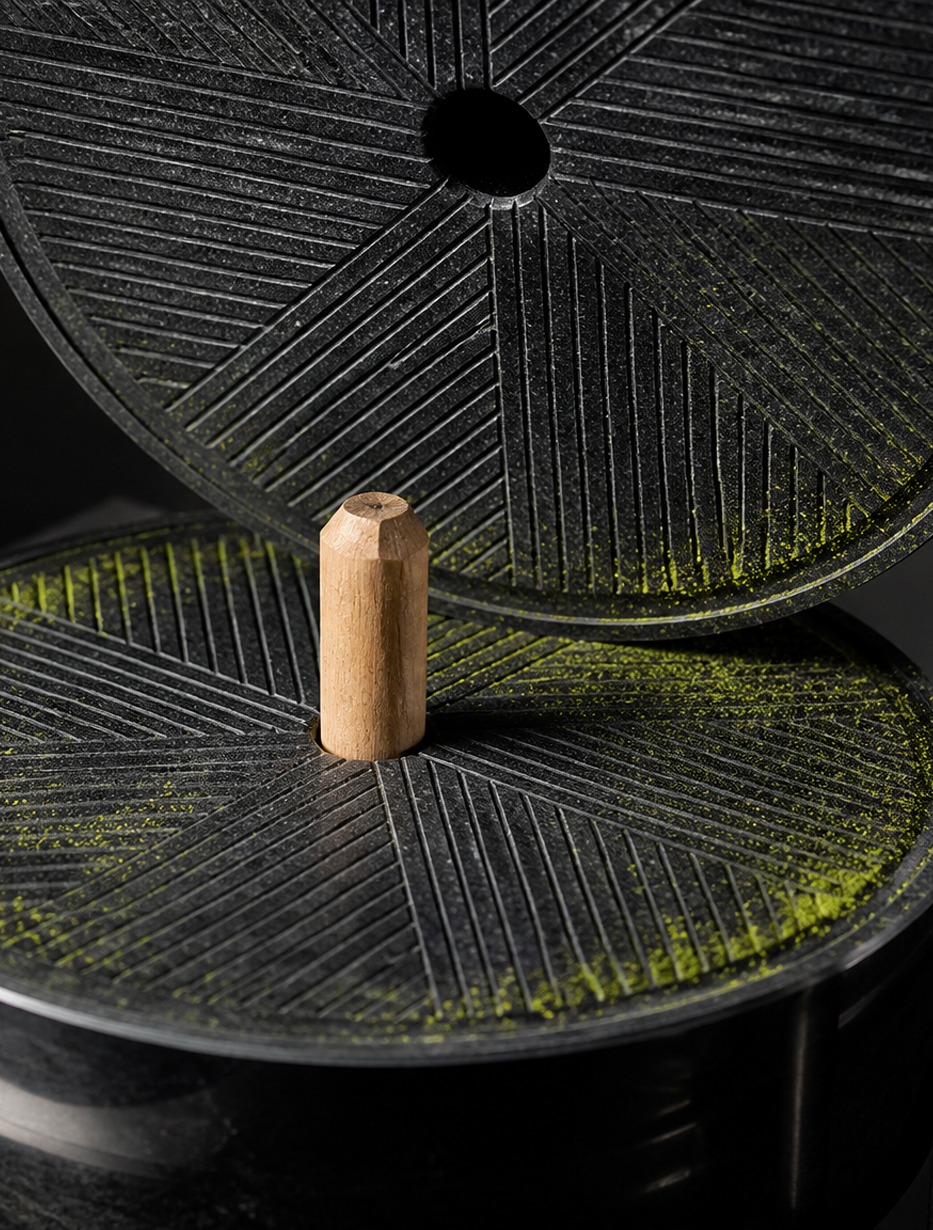
The upper grinding stone rotates slowly while the lower stone remains stationary. Dried tencha leaves are gradually fed into the center of the mill and move outward through precisely designed grinding grooves.
As the leaves pass between the granite surfaces, they are gently reduced into an exceptionally fine powder.
Because the grinding speed remains low, excessive heat is avoided, helping protect chlorophyll, amino acids, and the delicate aroma compounds responsible for premium matcha quality.
Why Is Natural Granite Used?
Natural granite has long been recognized as one of the best materials for matcha grinding.
Its hardness, durability, and stable surface characteristics allow it to produce uniform particles while minimizing wear over years of operation.
High-quality granite also provides the right amount of friction needed for slow, consistent grinding without generating excessive heat.
For these reasons, natural granite continues to be the preferred material for professional matcha stone mills worldwide.
Why Stone Grinding Produces Better Matcha
Stone grinding offers several important advantages over conventional high-speed grinding methods.
Superior Flavor
Slow grinding helps preserve the delicate aroma and umami taste of premium matcha.
Vibrant Green Color
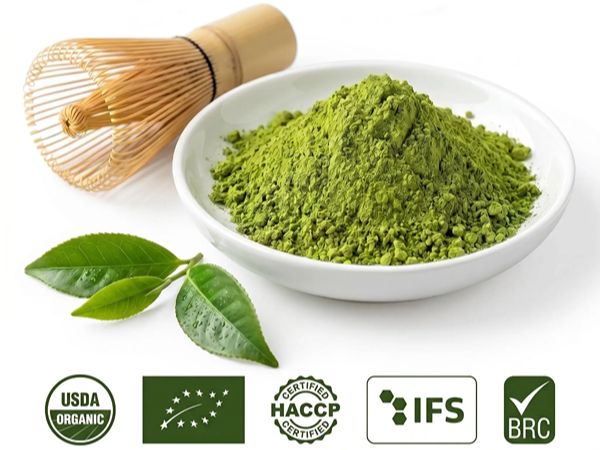
Low-temperature grinding protects chlorophyll, allowing the finished powder to maintain its bright natural green appearance.
Ultra-Fine Particle Size
Stone-ground matcha typically achieves a much finer and more uniform particle size, resulting in a smoother mouthfeel and better suspension in water.
Traditional Authenticity
Authentic Japanese ceremonial-grade matcha has been produced using stone mills for hundreds of years, making stone grinding an important part of traditional matcha craftsmanship.
- Brand positioning guidance: premium matcha brand image planning, product pricing system, differentiated market positioning
- Store daily operation SOP: staff workflow, peak hour production arrangement, inventory management of tea raw materials
- Sales & marketing guidance: offline tasting activities, social media matcha content operation, customer membership system construction
- Chain expansion support: standardized store replication, new store opening promotion plan, multi-store unified product management
- After-sales follow-up: regular product update sharing, operation problem one-on-one consultation, seasonal new matcha recipe supply
Traditional Authenticity
Authentic Japanese ceremonial-grade matcha has been produced using stone mills for hundreds of years, making stone grinding an important part of traditional matcha craftsmanship.
Commercial Applications
Commercial matcha stone mills are widely used by:
- Premium Matcha Cafés
- Japanese Tea Houses
- Specialty Coffee Shops
- Matcha Dessert Brands
- Tea Manufacturers
- Food Ingredient Producers
- Matcha Distributors
- Boutique Tea Brands
These businesses value both the quality of freshly ground matcha and the visual experience that stone grinding brings to customers.
How to Choose the Right Matcha Stone Mill
When selecting a commercial matcha stone mill, buyers should consider:
- Grinding consistency
- Stone material quality
- Production capacity
- Temperature control
- Ease of maintenance
- Electrical configuration
- Technical support
- Long-term reliability
Choosing a professionally designed stone mill can significantly improve both product quality and operational efficiency.
Conclusion
Although modern manufacturing has introduced many grinding technologies, traditional stone grinding remains the benchmark for producing premium matcha.
By combining carefully selected natural granite with precise engineering, commercial matcha stone mills continue to deliver the texture, flavor, and authenticity expected by professional matcha businesses around the world.
For cafés, tea brands, and commercial producers seeking exceptional matcha quality, investing in a professional stone mill is an investment in product excellence and customer experience.
CTA
Looking for a Professional Commercial Matcha Stone Mill?
Explore our commercial stone grinding solutions or contact our technical team to discuss the best matcha milling solution for your business.